Distressed Leather Texture Backgrounds: A Designer's Guide
There’s an undeniable quality to genuine, aged leather. It speaks of history, durability, and a story that’s been lived. That rich, tactile feel is something we often want to capture in our digital and print designs. This is precisely what high-quality distressed leather texture backgrounds bring to the table. They offer an immediate sense of character and depth, transforming a flat, digital canvas into something with soul and substance.
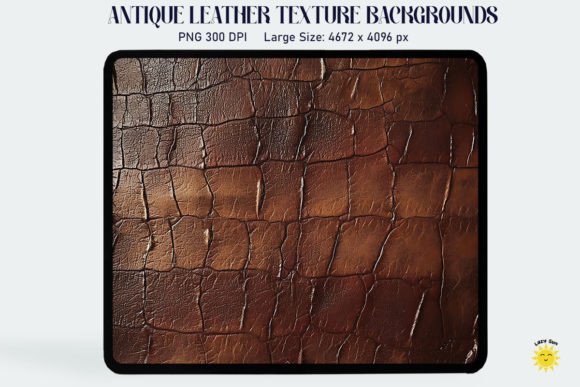
A well-crafted distressed leather texture background is more than just a random pattern of scratches. It’s a curated visual experience. Think of the soft, worn grain on a favorite jacket, the subtle cracks on an antique book cover, or the weathered surface of a vintage suitcase. These backgrounds replicate that nuanced visual language. They feature a complex interplay of light and shadow, mimicking natural wear, subtle scuffs, and the gentle patina that develops over years of use. The result is a design asset that feels authentic, warm, and inviting.
Where This Texture Truly Shines
The versatility of a classic distressed leather backdrop is one of its greatest strengths. It’s a foundational asset that can elevate a wide range of projects, acting as a silent partner that enhances your core message without overwhelming it. For entrepreneurs and small business owners, it’s a secret weapon for creating a brand identity that feels established, trustworthy, and premium. Use it as a background for your logo on business cards, letterheads, or your website’s header to instantly convey a sense of craftsmanship and reliability.
For designers and marketers, the applications are nearly endless. In editorial design, a subtle leather texture can set a sophisticated tone for a magazine feature or a book cover, especially for genres like history, biography, or luxury goods. In packaging design, it can make a product feel more substantial and gift-worthy. The digital space benefits just as much. A weathered leather backdrop makes for a compelling background for social media graphics, website hero sections, or online course platforms, creating a visually engaging environment that holds attention.
Crafters and hobbyists will find these textures invaluable for personal projects. Imagine the impact on a custom wedding invitation, a digital scrapbook page, or a handmade greeting card. The nostalgic leather backdrop adds a layer of warmth and sentimentality that plain paper or digital white simply cannot match. It provides a rich, textured foundation for your typography and imagery, making every element pop with intention and style.
How Texture Influences Perception and Engagement
Choosing a background is a strategic design decision. A distressed leather texture does more than just fill space; it actively shapes how your audience perceives your content. This is where principles of visual hierarchy and brand perception come into play. The organic, complex nature of the texture creates a natural stage, allowing your foreground elements—whether it’s a bold headline, a crisp product photo, or a elegant script font—to take center stage with greater clarity.
From a psychological perspective, textures like these evoke specific feelings. Leather is associated with quality, tradition, and authenticity. By incorporating a weathered leather backdrop, you’re subtly communicating these values to your audience. This can significantly influence audience engagement, as viewers are more likely to trust and connect with a brand that feels genuine and well-established. It helps build brand recognition and consistency, as the texture becomes part of your unique visual language.
It’s crucial to consider readability. The texture’s complexity means your text needs sufficient contrast. A dark, rich leather pairs beautifully with cream or white serif fonts for a classic look. A lighter, tan distressed leather can work well with dark sans serif or even a bold script font for a more rustic, approachable feel. Always test your font pairing on the actual texture to ensure legibility across devices and in print.
Practical Application and Project Fit
When you download a resource like the Distressed Leather Texture Backgrounds set, you’re getting a professional-grade design asset. This particular set includes high-resolution PNG files at 4672 x 4096 pixels and 300 DPI. This size and resolution are critical for professional work. It means you can confidently use the texture for large-format printing like banners or posters, and you can resize it down for digital use without any loss of quality or pixelation. The high DPI ensures crisp details, whether you’re viewing it on a screen or holding the final printed piece.
Evaluating project fit is straightforward. Ask yourself what mood you want to set. For a project that requires a sense of history, warmth, and durability, a distressed or weathered leather texture is an excellent choice. For a more modern, sleek brand, it might serve as a contrasting element in a limited capacity. The key is alignment with your project’s core message.
Using the texture is simple. As a PNG file, it acts as a layer in your design software. Place it behind your other elements. You can adjust its opacity, apply color overlays to tint it to match your brand palette, or use blending modes to integrate it seamlessly. For a minimalist approach, use just a corner or a strip of the texture as an accent. For a full-immersion feel, let it fill the entire background.
Remember, this is a digital product delivered in a ZIP file. Ensure you have the means to extract it. Also, be mindful that colors can appear differently on various screens and printers. It’s always wise to do a test print if your project is for physical distribution. The commercial license typically allows for use in both personal and commercial projects, giving you the freedom to apply this versatile texture to client work, your own business materials, or personal creative endeavors.
Ultimately, a classic distressed leather texture is more than a decorative element. It’s a tool for storytelling, a foundation for brand identity