Natural Wood Grain Textured Backgrounds: A Designer's Guide
There's a reason natural wood grain textured backgrounds have become a staple in modern design. They offer something screen-generated graphics often struggle to achieve: genuine warmth, organic character, and an immediate sense of authenticity. Whether you're building a brand identity for a craft brewery, designing wedding invitations, or creating social media content for a lifestyle blog, wood grain textures provide a visual foundation that feels both timeless and approachable.
Understanding the Appeal of Wood Grain Backdrops
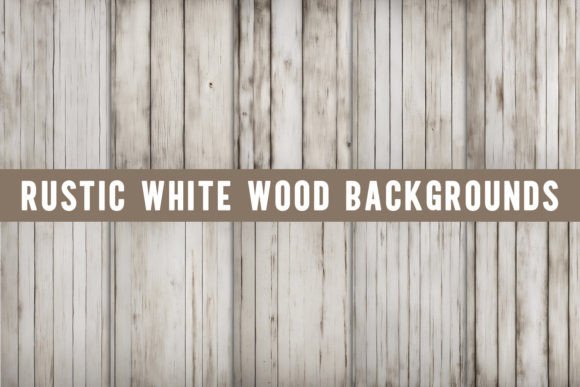
What makes these backgrounds so effective? It comes down to how our brains process natural patterns. Wood grain carries subtle irregularities—varying line widths, gentle color shifts, occasional knots—that signal authenticity. Unlike perfectly uniform digital textures, natural wood grain textured backgrounds retain that handmade quality people instinctively trust.
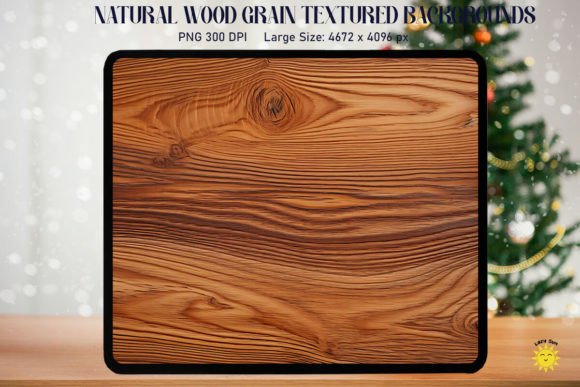
The specific texture set we're examining today includes a high-resolution PNG file at approximately 4672 x 4096 pixels, delivered at 300 DPI. That resolution matters. At 300 DPI, you can scale this background for large-format printing—think banners, trade show displays, or oversized wall art—without encountering pixelation or quality loss. The generous dimensions also mean you have flexibility when cropping for different aspect ratios, whether you need a square format for Instagram or a wide banner for a website header.
Where Rustic Wood Backgrounds Shine
Let's talk practical applications, because that's where this texture earns its place in your design toolkit.
Branding and Logo Design
For brands positioning themselves as artisanal, handcrafted, or environmentally conscious, wood grain backgrounds create instant visual alignment. A coffee roaster, a woodworking shop, a farm-to-table restaurant, or an organic skincare line—these businesses benefit from textures that communicate their values before a customer reads a single word. Using wood textures behind your logo design or on business cards establishes that earthy, grounded personality from the first touchpoint.
Editorial and Publishing Design
Magazine layouts, book covers, and cookbook designs frequently incorporate rustic wood backgrounds to set a specific mood. A recipe page photographed on a weathered wood surface immediately feels more inviting than one on a sterile white background. The same principle applies to editorial design for lifestyle publications, outdoor adventure brands, or heritage-themed content.
Packaging Design
Product packaging for artisanal goods—jams, candles, craft beverages, handmade soaps—often uses wood textures to reinforce the handmade narrative. When a customer picks up a product and sees natural wood grain in the design, they're already forming expectations about quality and care. This texture bridges the gap between digital design and the physical product experience.
Digital and Social Media
Web design and social media graphics benefit enormously from textured backgrounds. A plain white or solid-color background can feel cold and corporate. Layer a subtle wood grain beneath your text, and suddenly the same content feels warmer, more personal, more shareable. Blog headers, Pinterest pins, Facebook cover photos, and YouTube thumbnails all gain visual depth when built on natural textures.
Craft and Personal Projects
Scrapbooking, greeting cards, invitations, and DIY craft projects are where many people first encounter wood textures. The versatility here is remarkable. A wedding invitation with a soft wood grain background feels rustic and romantic. A holiday card with darker wood tones feels cozy and traditional. The same texture adapts to completely different emotional registers depending on how you use it.
Working Effectively with Wood Grain Textures
Having a beautiful texture is one thing. Using it well is another. Here's practical guidance for getting the most from natural wood grain textured backgrounds in your projects.
Consider Your Color Palette
Wood grain textures come in various tones—warm honey, cool gray, weathered white, deep walnut. The background color you choose should complement your overall palette, not fight against it. If your brand uses cool blues and greens, a gray-toned wood grain will integrate more naturally than a warm amber. Test your text colors against the texture to ensure sufficient contrast for readability.
Layer Thoughtfully
The best designs using textured backgrounds know when to let the texture breathe and when to contain it. Try placing a semi-transparent white or colored overlay between the wood grain and your content. This creates visual hierarchy—your text remains the focal point while the texture adds depth beneath it. Opacity adjustments between 40% and 80% often strike the right balance.
Scale and Crop Strategically
At 4672 x 4096 pixels, this texture gives you significant real estate. Don't just use the full image every time. Zoom into different sections for variety. The grain pattern near a knot creates a different mood than the straight-grained area beside it. Cropping tightly can yield abstract textures that work beautifully for modern, minimalist designs while the full image serves rustic or traditional projects.
Match Texture Intensity to Context
A bold, heavily textured wood background works for a poster or social media graphic where you need immediate visual impact. For a business card or letterhead, consider reducing the texture's opacity so it reads as a subtle background element rather than a dominant design feature. Context determines intensity.
File Format and Practical Notes
This texture comes as a PNG file, which supports transparency—useful if you want to layer the wood grain over other elements. The files arrive in a ZIP archive, so you'll need basic file extraction capabilities on your computer. Keep in mind that screen colors and printed colors may differ slightly, so always run a test print before committing to a large production run. The texture is not an SVG or layered file, meaning it's designed as a complete background element rather than a cut-ready design asset.
Building Consistency Across Projects
One texture used across multiple touchpoints creates brand cohesion. If you're an entrepreneur or small business owner building your own materials, using the same wood grain background on your website, social media graphics, printed materials, and packaging creates a unified visual language. Customers begin associating that texture with your brand—recognition builds over time through consistent visual choices.
Natural wood grain textured backgrounds work because they connect digital design to something fundamentally human: our relationship with natural materials. Whether you're a professional designer managing client projects or a hobbyist creating cards for friends, this texture provides a reliable, versatile foundation that elevates your work without overwhelming it.
The key is experimentation. Download the files, open them in your preferred design software, and start testing combinations with your existing typefaces, color palettes, and layouts. You'll quickly discover which applications feel right for your specific projects—and that hands-on exploration is where the real design value emerges.