Vintage Floral Backgrounds Peony Flowers: A Guide to Nostalgic Design
The Enduring Allure of Shabby Chic Aesthetics
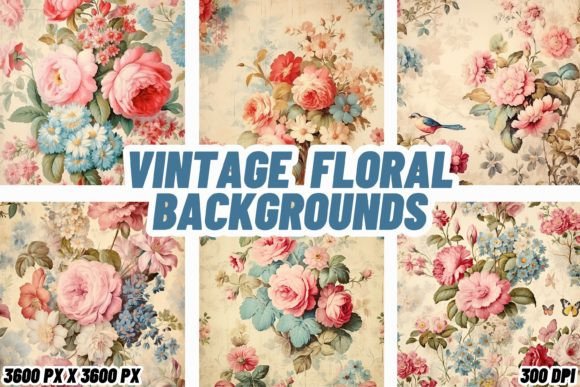
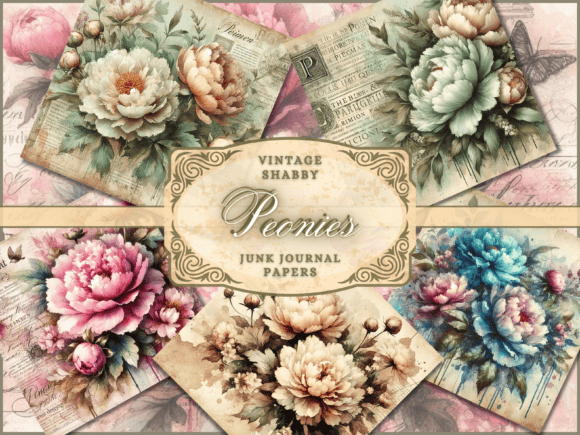
In the digital design landscape, finding assets that feel genuinely organic and emotionally resonant can be a challenge. Our collection of Vintage Shabby Chic Peonies – Floral Junk Journal papers bridges the gap between digital precision and the tactile warmth of the past. This is not merely a set of floral patterns; it is a carefully curated toolkit for designers, crafters, and entrepreneurs who want to infuse their projects with a sense of history and handcrafted authenticity. The visual language speaks of faded elegance—think soft, muted color palettes, the subtle texture of time-worn parchment, and the romantic, intricate forms of peony blooms.
Each of the 35 backgrounds in this kit is rendered at a substantial high resolution of 5000×5000 pixels. This detail is crucial. It allows the distressed textures, the delicate crackles, and the intricate floral motifs to hold their integrity whether you're working on a small social media graphic or scaling up for a large-format print project. The personality of these backgrounds is one of quiet sophistication. They don't shout for attention but rather invite the viewer in, creating an atmosphere of nostalgic comfort. This makes them exceptionally versatile for projects where the goal is to establish a specific, refined mood rather than a bold, contemporary statement.
Strategic Applications: From Brand Identity to Personal Keepsakes
Understanding where these vintage floral backgrounds excel is key to unlocking their potential. Their style naturally aligns with certain industries and project types, but with thoughtful application, they can bring unexpected depth to modern designs.
- Branding and Packaging: For small businesses in the boutique, artisanal, or wellness sectors, these backgrounds can form the foundation of a brand identity. Imagine them as the backdrop for product labels on handmade soaps, the wrapper for artisan chocolates, or the website hero image for a vintage-inspired clothing line. The distressed textures communicate quality, timelessness, and a handcrafted ethos.
- Editorial and Publishing Design: In editorial design, these papers are perfect for creating chapter headings, pull quotes, or full-page backgrounds in cookbooks, lifestyle magazines, or poetry collections. They add a layer of tactile interest to digital and print layouts, making the reading experience more immersive. The vintage typography elements integrated into some designs can inspire complementary font choices for body text.
- Digital and Social Media: The charm of shabby chic translates beautifully to digital spaces. Use these backgrounds for Instagram story templates, Pinterest pins for DIY and home décor blogs, or as the base for elegant Facebook event graphics. They help content stand out in a feed dominated by clean, minimalist design by offering a softer, more textured alternative.
- Personal Projects and Crafting: For hobbyists and journalers, this is where the kit truly shines. It’s a direct gateway to creating beautiful scrapbooks, junk journals, and mixed-media collages. The high resolution ensures that even when printed and physically distressed, the details remain crisp. They provide a perfect canvas for layering photos, ephemera, and handwritten notes.
Elevating Your Creative Process with Practical Guidance
Selecting the right design asset involves more than just aesthetic preference; it requires practical consideration. Here’s how to evaluate and integrate these Floral Junk Journal Printables into your workflow.
- Evaluate the Project Fit: Ask yourself if the project's core message aligns with the personality of these backgrounds. They are ideal for themes of romance, history, nature, comfort, and elegance. For a tech startup or a brand focused on cutting-edge innovation, they might feel incongruous. However, for a wedding invitation suite, a bakery's branding, or a boutique hotel's website, they are a natural fit.
- Test for Readability and Hierarchy: The intricate textures of vintage backgrounds can sometimes compete with text. Always test your type overlays. A clean sans-serif font often pairs beautifully, providing a modern counterpoint to the vintage backdrop and ensuring legibility. Use the backgrounds' natural variations in tone to guide the placement of text blocks, often in areas of softer, more uniform texture.
- Consider Font Pairings: While the kit includes vintage typography elements, you’ll likely need to pair these backgrounds with your own typeface choices. For a cohesive look, consider a classic serif font for headings or a delicate script font for accents. The key is to choose fonts that share a similar "age" or feeling—elegant, slightly weathered, and full of character. Avoid overly geometric or ultra-modern display fonts that might clash stylistically.
- Review the Included Styles: The 35 papers offer a range of textures and color moods. Some may feature bold peony clusters, while others are more subdued with scattered petals or focus on the texture of aged paper. Scan through the collection to identify which specific styles best serve different elements of your project—a more textured one for a full background, a softer one for a text box overlay.
- Understand Commercial Licensing: A significant advantage of this kit is the commercial license. This means you can confidently use these assets in projects for clients, in products you sell (like printed journals, planners, or merchandise), and in your business's marketing materials. It removes the legal ambiguity often associated with free resources, making it a professional-grade design asset.
Ultimately, the value of a resource like the Vintage Floral Backgrounds Peony Flowers collection lies in its ability to tell a story. It provides a visual shorthand for authenticity, romance, and timeless beauty. By thoughtfully applying these backgrounds, you’re not just decorating a space—you’re crafting an experience, building a brand identity with depth, and connecting with an audience that appreciates the artistry of the past. Whether used digitally or in print, they are a versatile and powerful tool in any creative professional's arsenal.